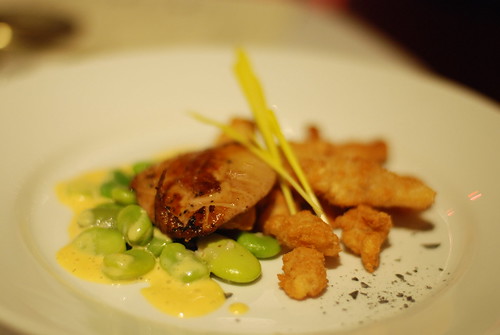
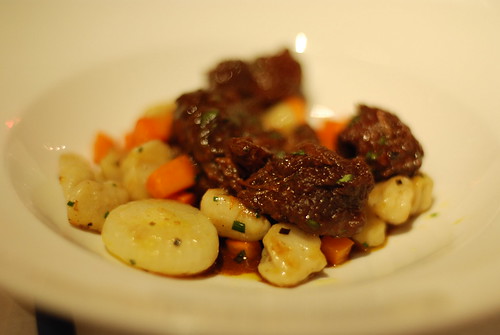
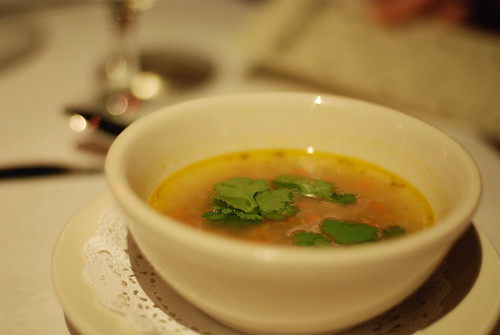
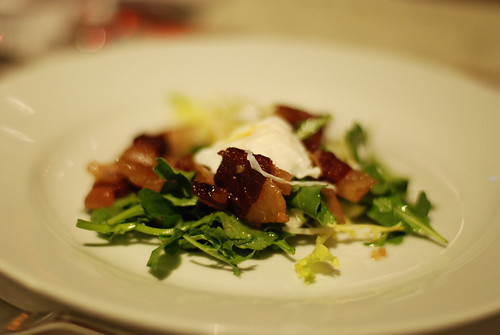
Showing posts with label Restaurants. Show all posts

January 07, 2008

Dock Street Brewery

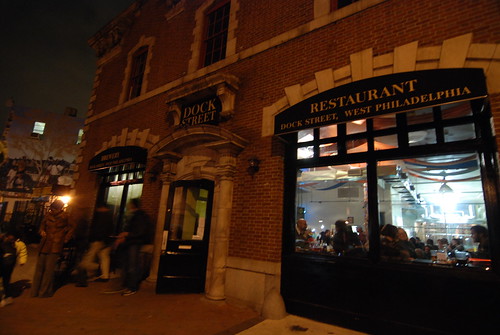
Dock Street

If you’re like most people, you believe that restaurants live or die on the merits. You believe that if a restaurant has great service and makes great food, it will succeed. And that if its service is poor and its food is mediocre, it will fail. After all, that’s how the marketplace is supposed to work, right?

But every once in a while a restaurant defies this model. Much like the creatures that lumber over the rocks of the Galápagos Islands, sometimes a restaurant is isolated from the process of natural selection that otherwise would (or should?) cause it to become extinct.

Dock Street Brewery is one of those restaurants.

Rosemarie Certo and her husband founded Dock Street Brewery in 1985. Five years later, they opened a brewpub and rode the crest of the microwbrew trend to nationwide popularity. After selling the business in 1998, they repurchased the bottling division and the brand in 2002. The brewpub, operated by other owners, closed in 2002. Last fall, Certo decided to give the brewpub another go in a former firehouse in West Philly.

Dock Street

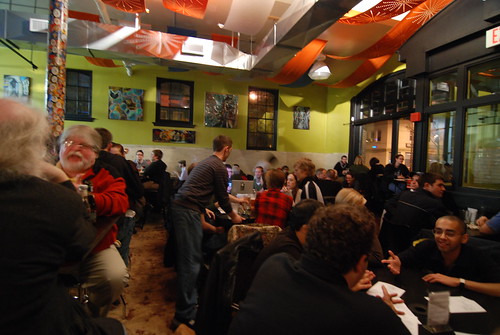
The décor of the reborn brewpub aims for a hip minimalism, one that’s characteristic of the mostly post-grad crowd it tends to draw. However, the result—raw concrete floors, dim lighting, and lawn furniture mismatched with chairs from Target—is less than welcoming.

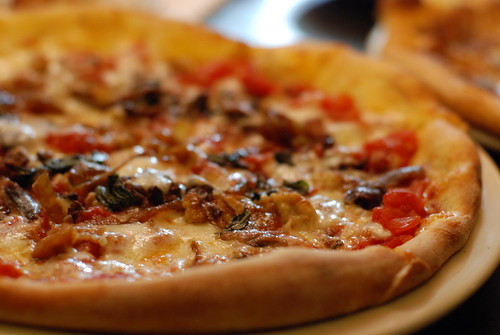
Flammenkuche Pizza

But Dock Street’s issues are more fundamental than décor. First, the service is inconsistent. On one visit the service was well-paced and efficient. On another, though, it was an obscene train wreck. Inexcusably, it took over an hour and a half for the food to arrive after ordering. Often you can tell whether blame lies with the servers or the kitchen. Here it was both. The food was hot when it finally came out, indicating that the kitchen was at fault for the delay. And we’re not talking complicated entrées here—it’s pizza. At the same time, the servers were mysteriously absent for long periods of time while dirty plates were stacked high on several adjacent tables—a makeshift SOS by stranded diners.

Provencal Pizza

Second, contrary to the early hype, the pizza is nothing to crow about. The pizzas may sound compelling on the menu, but most fall short of expectations. The sweetness you expect from the layer of fig jam on the Fig Jam Pizza, for example, is virtually undetectable, overshadowed by bacon. The pizza isn't the only letdown. The signature Dock Street Beer Battered Fish & Chips also misses the mark—the batter was thin and the fish itself was bland. Not everything is disappointing. The Flammenkuche Pizza is worth repeating; its sweet caramelized onions and bacon balance nicely with its crème fraîche and gruyère. And although the leeks were overcooked, the French Fry Trio makes a half decent bar snack.

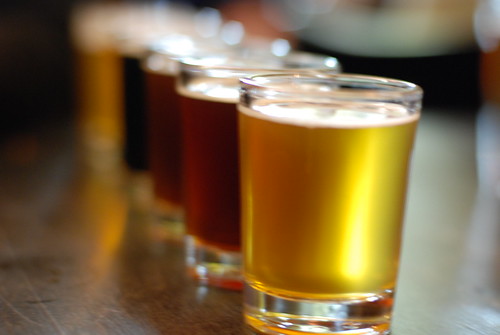
Dock Street Beer Sampler

Most of last fall’s drafts tasted like beer with training wheels. Light on hops and heavy on malt, they were ideal for people who normally don’t like beer. The Imperial Stoudt, for example, made with organic fair trade espresso beans, was a fun pour. But it belonged on a breakfast table not a bar. However, Dock Street’s first brewmaster recently left, and Eric Savage, Dock Street’s original brewmaster, is now consulting. This change should be a good thing.

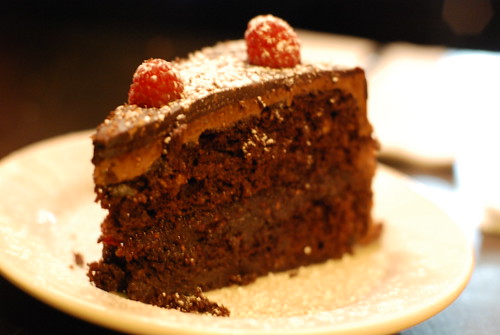
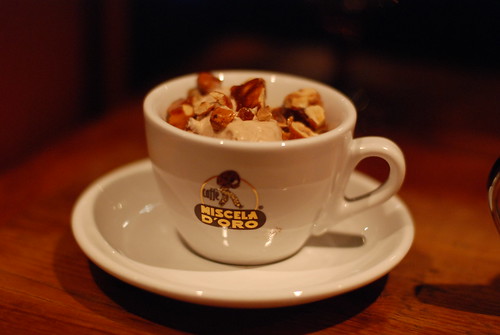
Vegan Chocolate Cake

Despite its shortcomings, Dock Street may survive. Poor service and mediocre food would doom a restaurant in Center City. But, as they say, it’s all about location. And a built in market. West Philly needs Dock Street. The restaurant brings energy to a struggling neighborhood, and the locals show their appreciation by returning night after night. Dock Street also has a menu that caters to vegetarians and vegans, segments of the dining population that are often ignored by restaurants.

For now, Dock Street looks like a creature that isn’t supposed to exist. But given enough time, who knows, maybe it will evolve.

Dock Street Brewery
701 South 50th Street
(215) 726-2337

For more pics, check out my Dock Street Set on Flickr.

Read More....

November 12, 2007

Pig-turesque

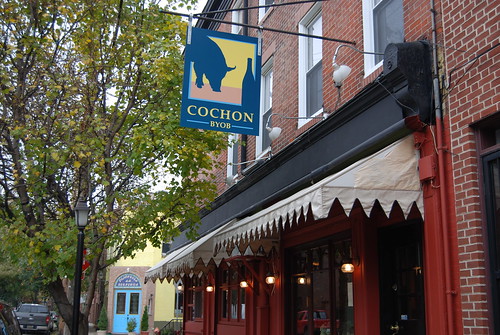
Cochon
It’s tempting to make certain assumptions about a restaurant named Cochon (French for pig): (1) the menu will contain pork; and (2) the food will compel you to eat to the point of gluttony. Both of these assumptions, it turns out, are true of the new Queen Village French bistro helmed by chef Gene Giuffi and his wife Amy. But when this duo was mulling over names for their BYOB, they settled on Cochon for an entirely different reason.

Cochon is the latest crusader in the city’s French restaurant revolution—a liberating development in light of Philadelphia’s time-worn allegiance to the Italian BYOB. The bistro occupies the space that formerly housed Café Sud. During renovations, Gene and Amy discovered charming fixtures almost too good to be true—a well-heeled mosaic tile floor and original pressed tin wall panels that have been sanded and painted powder blue. The warm, expanded dining room now comfortably seats 44 at humble wooden tables. The gleaming new open kitchen is nestled into the corner. A large chalkboard decorates the wall to display daily specials.

Though young, Cochon already has a clear identity, all thanks to the pig. To chef Giuffi (formerly of Davio’s, Nan, La Boheme and ¡Pasión!), the pig represents the essence of rustic, farmhouse food. And he named his bistro after the uncultured sow to remove the pretense often associated with French fare. It’s a proud, unapologetic reminder—this is peasant food. But don’t let the rural theme fool you. Cochon’s food may be simple, but it’s not without sophistication.

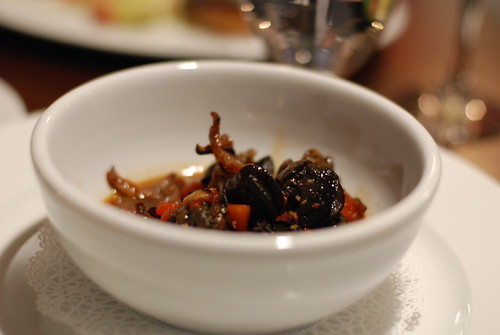
Escargot

Clean and tender escargot and Shitake mushrooms rest in a red wine sauce. Gently kissed with garlic Pernod butter, the deep, herbaceous sauce is ambrosial, making this one of the most memorable and satisfying appetizers on the menu.

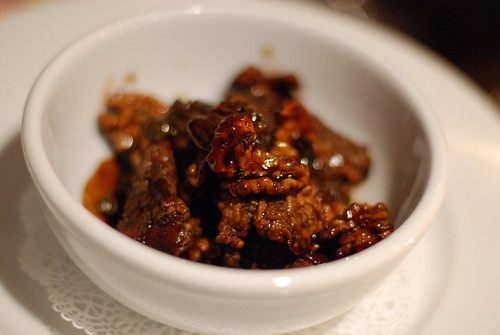
Crispy Chicken Livers

Another must have is the crispy chicken livers appetizer—a Davio’s dish Giuffi updated. Tossed with balsamic, candied walnuts and raisins, the livers are soft, rich and pleasantly sweet.

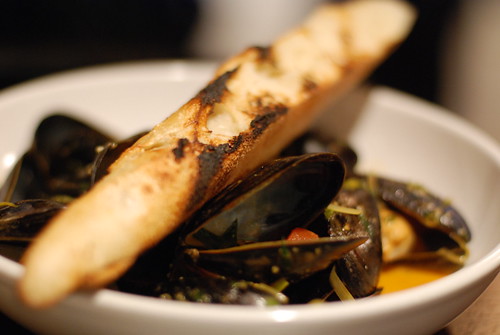
Mussels

The delicate tomato-leek saffron broth in which the mussels bathe could use a touch of heat. Still, you won’t be able to resist dredging the bowl with a spent shell to rescue the last drop of broth.

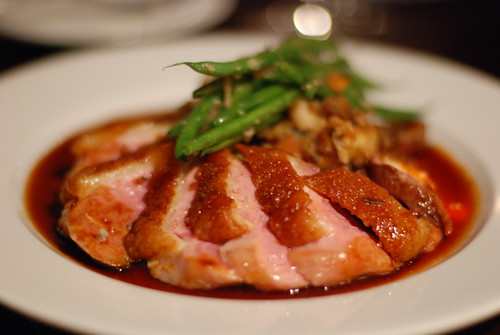
Free-Range Duck Breast

Entrées, too, are smart without losing their pastoral appeal. Beautifully prepared duck breast comes with a white bean ragout that includes crisped-up bacon and confit, a creative play on refried beans. Giuffi skillfully prepares a Prime cut of Belevedere strip steak for the steak frites, and the fries conceal a faint hint of heat that warms the back of your throat.

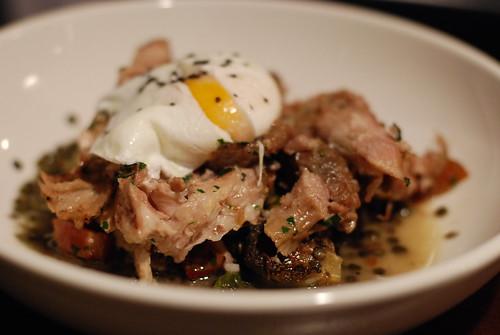
Slow-Roasted Pork Shoulder

Slow-cooked country staples receive the tender care they deserve. The pork shoulder marinates for almost 2 days and roasts for 8-10 hours. It’s a comforting prelude to winter, though the dish could use more of the roasted Brussels sprouts that are nesting in the hearty and flavorful lentils du Puy.

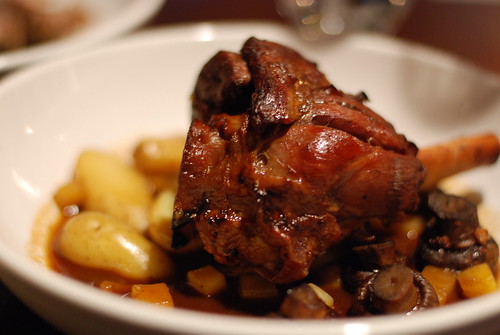
Braised, Free-Range Lamb Shank

But the braised, free-range lamb shank steals the show. The sweet, wild meat spills off the mammoth bone with the slightest brush from a fork. And the syrupy port reduction that hosts earthy rutabaga and fingerlings balances the lamb’s richness.

Chateauneuf-du-Pape and Bordeaux are ideal for Giuffi’s cuisine, though the selection of these wines at the nearby 5th street PLCB store is thin and/or expensive. In a pinch, the 2003 Chateau Greysac will do (PLCB No. 4453, $18.95), as will the 2003 Chateau Les Fief de Lagrange (PLCB No. 7991, $18.99). But those searching for a less expensive alternative may enjoy the 2005 Crios de Susana Balbo Mendoza (PLCB No. 29021, $11.99), a Syrah/Bonarda blend (think: Merlot with a personality).

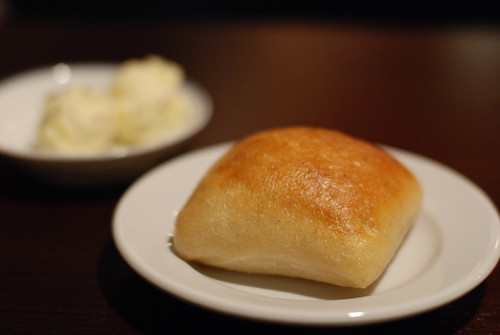
Dinner Roll

Cochon’s key strength, ironically, highlights a small weakness. Giuffi’s signature sauces are intensely addictive and beg to be soaked up with a deep, never-ending basket of sliced baguette. But the single, elegant roll you receive instead doesn’t last long (especially with the delicious butter dressed with sea salt) and even seems a little too fussy for Cochon’s humble personality.

But Cochon’s only real blemish—one that’s common in Center City eateries—is the relatively high noise level. The angular dining space and tin panels are likely more to blame than the open kitchen.

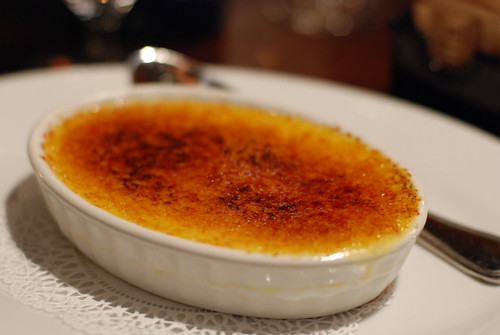
Creme Brulée

Most desserts are currently being sourced from outside vendors. But the creme brulée, made in-house, is a flawless dream that should not be missed. Its hard, caramelized shell harbors a cool, satisfying custard.

With its warm environs and rustic country cuisine, Cochon’s a bistro the everyday Frenchman would call home.

Cochon
801 E. Passyunk Ave.
215-923-7675
Prices: $8-$23; Cash Only

For more pics, check out my Cochon set on Flickr.

Read More....
September 30, 2007

John Mariani Profiles Philadelphia's Restaurants

Tinto's De Chorizo de Pamplona

It’s exciting when the Philadelphia restaurant scene receives national attention. National food and wine writers dine all over the globe, and so it’s always interesting to see how the depth and breadth of their palates inform their opinions of our little corner of the culinary world.

John Mariani is the latest to weigh-in on Philadelphia’s restaurant scene. He is one of the most seasoned and highly respected food and wine writers around. He is a columnist for Esquire, Wine Spectator, Diversion, Bloomberg News & Radio, and Restaurant Hospitality. He has also authored The Encyclopedia of American Food & Drink, The Dictionary of American Food & Drink, and with his wife Galina, the award-winning new The Dictionary of Italian Food and DrinkItalian-American Cookbook.

Mariani also publishes a free weekly newsletter on his site, JohnMariani.com (free registration required for archives). In the September 23 issue, Mariani profiles Philadelphia restaurants and reviews some of his current favorites: Rae, 707, Tinto and Susanna Foo in Radnor.

Like other outsiders, one of the things Mariani bemoans generally about Philadelphia is the high mark-ups on wine. However, despite the constraints under which our restaurants must operate, Mariani is impressed with what he sees. He calls Ryan Davis’ wine list at Rae “first-rate,” he recognizes Tinto’s 100+ bottle wine list and says that 707’s wine list “carries some of the best bargains for good regional bottling you’ll find in Philadelphia.”

Read More....

July 28, 2007

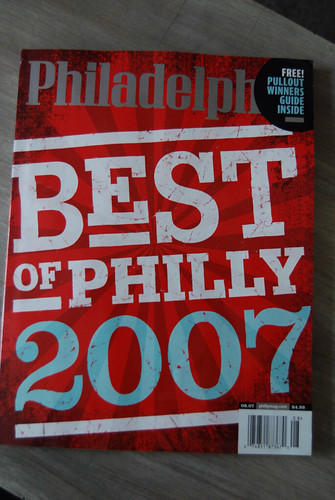
Philadelphia Magazine's Best of Philly 2007 - Food & Drink


It’s that time of year again, folks. The time when Philadelphia Magazine dishes on the things it loves the most about Philly. "Essential" and "authoritative," Phily Mag’s “Best Of ” issue is a Philadelphia institution. Editor Larry Platt says it best: "We don’t just try to reflect your world and tell you what you like; instead, we try to influence your world, by spending all year combing the region in order to tell you what you should like.” This year, Philly Mag returns to some of the more basic categories and gives you something extra—a handy little “black book” that you can tear out and take with you anywhere you go, making the 2007 Best Of issue a must read.

Without further ado, here are a few highlights from Philadelphia Magazine’s Best of Philly 2007, Food & Drink:

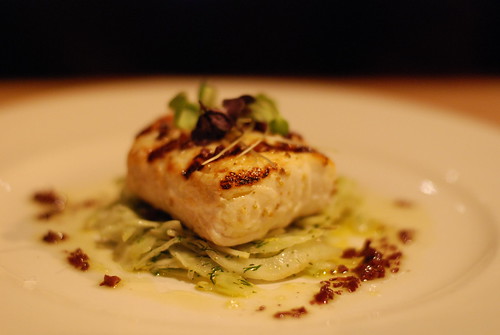
Osteria's Wood Grilled Halibut with Marinated Fennel

Best New Restaurant, City: Osteria. Given the number of high caliber restaurants that opened this year, this choice could not have been easy for the folks at Philadelphia Magazine. Indeed, April White confesses there was “heated debate” over this category. But I could not agree more with this choice—Osteria captures the authenticity of the Italian dining experience by delivering high quality Italian food in a casual yet polished atmosphere. From the “fine handmade” pastas to the “ethereal” Polenta Budino, there is much to love about Osteria. Check out my Osteria review here.

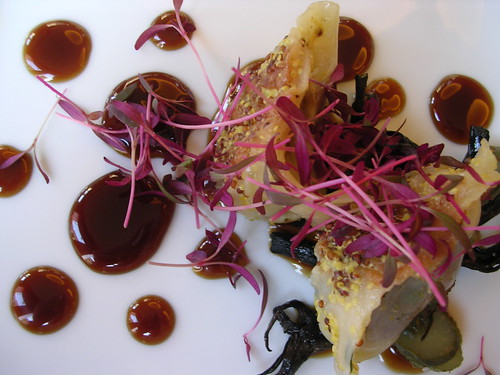
Snackbar's Beef Gyoza

Best Chef: Jonathan McDonald. Philly Mag likes Snackbar's Johnny Mac for the same reason I do: He’s the MacGyver of the kitchen when it comes to successfully combining seemingly incompatible ingredients. The guy is fearless. Give McDonald any three random ingredients and you can guarantee he’ll rescue your palate from boredom. You can find my Snackbar review here.

James' Cornish Hen

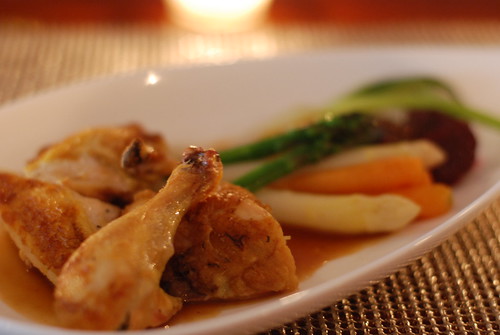
Best Entrée: The Roast Chicken at James. I know what you’re thinking. Chicken? Believe me, I, too, would be scratching my head had I not eaten Chef Burke’s Cornish game hen myself and written about it here. Burke’s secret is to select high quality meats and to cook them slow and low to concentrate the flavors.

Best Indian: Tiffin Store. I’ve taken great pleasure in introducing my friends to Tiffin Store. The downside to having done that, of course, is that it now takes me longer to get my delivery because the place is busier than ever. Quality Indian food at reasonable prices, you say? You better believe it.


Best Food Trend: The Sequel. This year, Philly took a page from Hollywood’s playbook and adapted it to the restaurant scene. Daniel Stern’s “Empire Strikes Back” with Rae. Marc Vetri, Philly’s “Godfather” of Italian cuisine, “pulls [us] back in” with Osteria. And thanks to Tinto, Jose Garces now has “Two Towers” on the Philly tapas scene. Next year’s Best Food Trend? I’m thinking it could be The Trilogy. After a diversion to Chicago to open Mercat later this year (which will feature Barcelonan-style tapas and charcuterie), Garces will come back to Philly to open Chilango, a Mexico City-inspired taqueria that (I kid you not) will pay tribute to Mexican professional wrestlers. Though it sounds more like “Nacho Libre,” if the success of Amada and Tinto are any indication, Chilango will herald the “Return of the King.” Either way, I’m getting my ticket in advance.

Want to know who won the Best Cheesesteak, City category? How about Best New BYOB? Best Pizza? Pick up your own copy of the Best of Philly 2007 edition of Philadelphia Magazine. It hits newsstands on Monday.


Read More....

July 18, 2007

Philly Represents on Wine Spectator’s 2007 Restaurant Awards List

Every year Wine Spectator celebrates restaurants that “show passion and commitment when it comes to wine.” This year Wine Spectator awarded the Award of Excellence—an award recognizing lists that have a well-chosen selection of at least 100 wines by quality producers and a thematic match to the cuisine—to four additional Philadelphia restaurants: Flemings Prime Steakhouse and Wine Bar (Radnor), Fogo de Chao (1337 Chestnut), Le Castagne (1920 Chestnut) and The Melting Pot (King of Prussia). A run-down of most of the past Philly winners can be found here.

But New Jersey seems to have kicked our cork. Seven additional New Jersey restaurants earned the Award of Excellence this year: Bacchus Chophouse & Wine Bar (Fairfield), Basil T’s Brewery & Italian Grill (Red Bank), Bobby Flay Steak (Borgata, Atlantic City), Buona Sera (Red Bank), Hunan Taste (Denville), and Mahogany Grille (Manasquan) and The Melting Pot (Westwood). Not only that, but two past New Jersey Award of Excellence winners—Chakra (Paramus) and Old Homestead (Borgata, Atlantic City)—were upgraded to “Best Award of Excellence,” which recognizes lists of 500 or more wines that show either vintage depth or excellent breadth spread over several winegrowing regions.

Hey, for what it's worth, at least we beat Delaware; they didn’t have any new additions or upgrades this year.

Congratulations to this year's winners.

Read More....

June 17, 2007

Neighborhoods, Chains and Outdoor Dining

Last Thursday City Paper came out with its 2007 Summer Dining Guide. This year it asked its writers to take its readers “on a culinary tour through some of the city’s most appetizing neighborhoods.” I wrote the piece on my neighborhood, the booming Washington Square West. I didn’t have room to talk about all of the restaurants in the area. So, if you have something to say about the ones I left out (or even the ones I did discuss), let me know here in the comments.

Last week I also wrote a piece for my WineCHOW column on ClassicWines.com about outdoor dining called Summer in the City. Most of the piece was composed while eating the juicy pork chop at 707 Restaurant & Bar I referred to in the above-mentioned City Paper piece. Ah, the beauty of multi-tasking.

Also, don’t forget to check out last week’s WineCHOW article called Disdain for the Chain, where I ask whether there's any upside to a chain moving into your neighborhood. Regardless of your view on chains, you have to read the story about my Italian relatives at the beginning of the article. It is 100% true.

Read More....

June 10, 2007

James

James

It felt like we were intruding on a private moment. It was 5:30 p.m. on a cold February evening when we walked into James for an early dinner. There was no music playing in the restaurant. No one was even humming a tune, at least none that we could hear. But Chef Jim Burke and his wife, Kristina, were slow dancing in the restaurant’s intimate lounge. Chef Burke deftly twirled Kristina in front of the crackling fireplace. They smiled and laughed playfully. A small crowd, mostly James employees, watched silently as a well-equipped photographer snapped pictures of our two dancers. But the enchanted couple barely seemed to notice as they glided through the room to their own ballad. After one final spin and a longing gaze, it was time to get back to work. Chef Burke headed to the kitchen and Kristina returned to the elegant dining room to check on preparations for the evening’s service.

Risotto alla Kristina

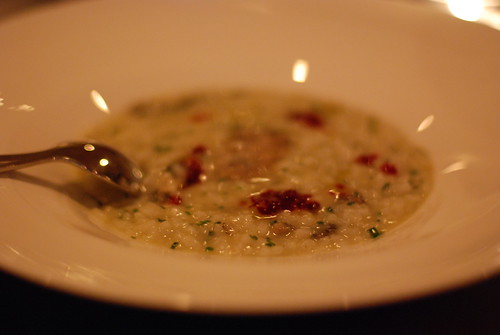
The restaurant had been open only two months when Chef Burke and Kristina danced to their silent music, but the song of James’s success was already starting to be written. The first note was the photographer that night. He was taking pictures for the June 2007 issue of Food & Wine magazine in which James’s signature dish was featured, Risotto alla Kristina—a scrumptiously soupy Venetian-style risotto made with Prosecco, orchid oil and raw oysters that are folded in at the end of the preparation to give them just a touch of warmth. Before the Food & Wine piece hit the streets, though, other influentials formed an inspirational chorus: Philadelphia Magazine, City Paper, Philadelphia Weekly, Philly Style Magazine, aroundphilly.com—each a unique voice, but all singing generally in tune. Then came Craig LaBan’s review. The deep, resonate tones of LaBan’s rarely-heard “three bells” and his lyrically penned prose made the symphony complete. Now, everyone can hear the tune that was guiding Jim and Kristina’s steps on that cold evening back in February. And the reservation book shows it; a thirty-two person wait list is not unheard of and the lounge is packed with diners clamoring to eat from the slightly abridged bar menu.

Porcini & Early Blueberry Stuffed Tortelloni, Thyme

Such high accolades may seem surprising given that this is their first restaurant venture, but this couple has paid their dues. Kristina’s management stints have included the recently-closed Pasion!, Striped Bass and Miel Patisserie. And Chef Burke’s pedigree includes Vivo Enoteca in Wayne and Stephen Starr’s short-lived Italian restaurant, Angelina.

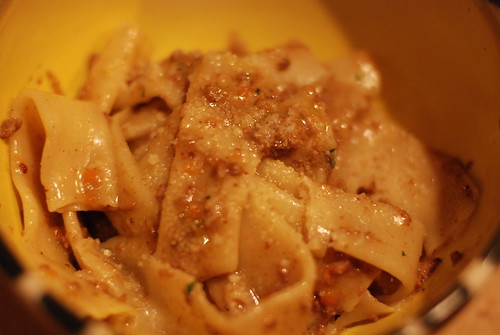
Hand Cut Pappardelle with Duck Ragu, Shaved Chocolate & Orange

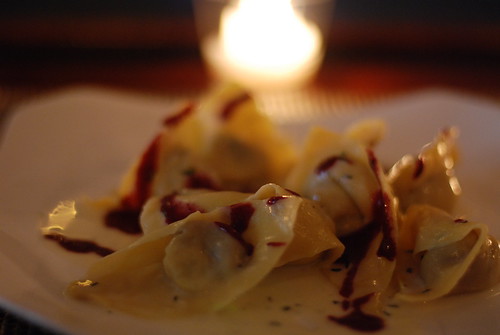
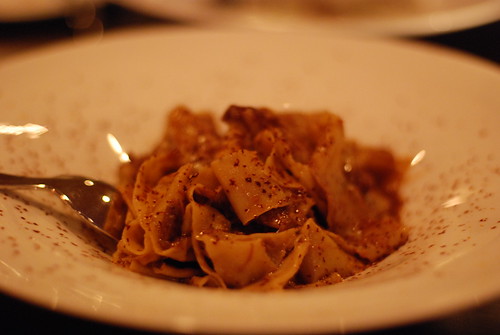
But the one restaurant on Chef Burke’s resume you could probably guess just by tasting his pasta is Vetri. Chef Marc Vetri is renowned for crafting authentic, homemade pasta. And it’s clear that Chef Vetri passed these artisan skills on to Chef Burke because the pasta at James is pitch perfect. Burke’s skills do not stop there; he’s also a virtuoso when it comes to combining flavors to strike creative culinary chords. The espresso, for example, he added to the winter menu’s savory Sweet Potato Ravioli with Oxtail Ragu gives the dish depth and allows the sweetness of both the filling and red wine sauce to emerge. Similarly, the delicate earthiness of the porcini mushrooms in this season’s Stuffed Tortelloni highlight the bright blueberry sauce. And, of course, the synergy between the mild orange and chocolate flakes shaved tableside in his popular hand-rolled Pappardelle with Duck Ragu makes this dish a masterpiece.

Cornish Hen

Burke’s meats, too, should not be overlooked. His secret is to select fresh, quality cuts of meat and not to overly prepare them. Last season’s pork loin, for example, was prepared by first gently searing it and then slowly cooking it on a low heat to concentrate the flavors and hold in the juices. This season’s Cornish Game Hen receives similar respect—delicately crisp on the outside while tender, juicy and flavorful on the inside. And the locally grown vegetables that were still in the ground only a few days earlier serve as the perfect complement to this hen.

Brown Ale Mousse, Almond Cake and Almond Toffee

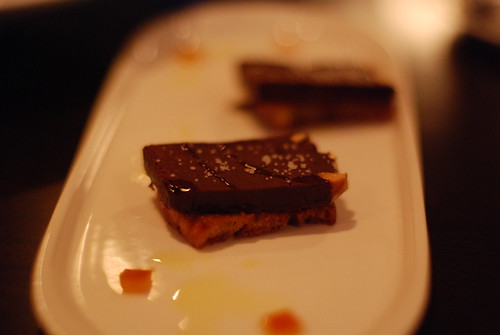
The desserts at James trend toward the savory side, but they often incorporate citrus elements for a little sweetness and some refined contrast. The addictive Chocolate Terrine, which is made with bittersweet chocolate, sits on crisp olive oil fried bread and is topped with Fleur de Sel, is accompanied by some refreshing quince paste. Also, the rich Brown Ale Mousse, which sits on a pillowy almond cake and is topped with a crisp, toasty almond toffee, comes with sliced pears. Those with more of a sweet tooth can add a scoop of homemade gelato, which have included exciting flavors such as Cardamom and Black Walnut from Green Meadow Farms.

Chocolate Terrine

If there’s anything about James that could strike a challenging chord for some, it would be the portion size and price. The portions are not large; they’re elegantly sized, probably more in line with the amount of food we should be eating and not what we’ve been conditioned to believe is necessary. So, those looking for never-ending pasta bowls should eat elsewhere. That said, the meals I’ve had at James have been satisfying and I’ve never left hungry or wanting more. The prices at James are in line with what you’d expect to pay at other fine restaurants in Center City. And the stylish food and professional and attentive service at James are definitely worth the money. But the prices mirror the grace and sophistication of the couple’s creation, making James more of a special occasion destination than an everyday hangout.

Much like a poetic symphony from the Romantic era, James seems destined to become one of the classics. Center City will be singing and dancing to Jim and Kristina’s music for a long time to come.

James
824 S. 8th Street
(215) 629-4980

For more pics, check out the James set on my Flickr page.

Read More....

May 31, 2007

Pocket Sommelier - Mercato

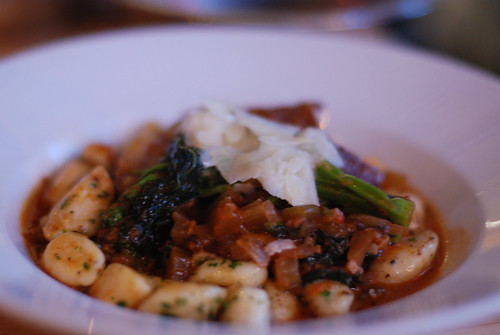
Short Rib Gnocchi

In today’s City Paper you’ll find the latest edition of Pocket Sommelier. I pair wine with two dishes at Mercato: the Ricotta Gnocchi in a Short Rib Ragu; and the intense, flavorful and organic Braised Jamison Farm Lamb Shank that was recently added to the menu.

Most people bring one bottle of wine to a BYOB. But more often than not, that one wine will not match every course. It may seem silly to bring two or even three bottles of wine to a restaurant, but the wrong wine could ruin a dish. For example, two of the Chiantis we brought went well with the gnocchi, but they were a complete mismatch for the lamb.

However, the Cab I alluded to at the end of my post about the Philly Wine Festival—the Alexander Valley Vineyards Cabernet Sauvignon Wetzel Family Estate 2004—paired amazingly well with the lamb. What’s exciting about this wine is that it has the same type of rich, spicy profile found in some of the more celebrated California Cabs, but it’s one third the price.

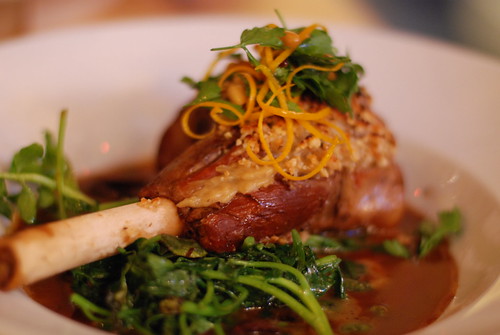
Braised Jamison Farm Lamb Shank

Carnivores with a conscience will not want to miss the chance to savor Mercato's new lamb dish. The meat was so tender it spilled off the bone before my fork even touched it. And Jamison Farm, located in Latrobe, PA, is known far and wide for raising its lambs on a diet that is 100% natural and free of hormones, antibiotics, herbicides and insecticides. I tasted a slight hint of anise in this dish, a flavor I could not attribute to any of the ingredients. Not knowing what it was drove me mad. When I later asked Chef de Cuisine Mackenzie Hilton what it could be, she posited that it might have something to do with what the lamb had eaten. Now, that’s organic.

For more pics, check out my Mercato set on Flickr.

Read More....
May 13, 2007

Philly Restaurants Are Going to the Dogs

Max
I’ve been looking for an excuse to post a picture of our dog on this blog for quite some time (his name is Max and he’s a Norwegian Elkhound, in case you were wondering). And thanks to Joe Sixpack and his Daily News article about bars that allow dogs in their outside seating areas, I finally have that excuse. (h/t to FooBooz and MenuPages Blog)

Joe Sixpack found eight Philly-area restaurants with outdoor seating that allow you to enjoy a brew with Man’s best friend:

• Le Bus, 4266 Main St., Manayunk.
• London Grill, 2301 Fairmount Ave., Fairmount.
• White Dog Cafe, 3420 Sansom St., University City.
• Bliss, 224 S. Broad St., Center City.
• Caribou Cafe, 1126 Walnut St., Washington Square West.
• Newportville Inn, 4120 Lower Road, Newportville, Bucks County.
• Triumph Brewing, 400 Union Square, New Hope, Bucks County.
• Four Dogs Tavern, 1300 Strasburg Road, West Chester, Chester County.

A newly-opened restaurant in Rittenhouse Square, Tavern 17, takes it one step further. In addition to offering dog-friendly outdoor dining, Tavern 17 has unveiled a special menu of Canine Delights for your pooch.

Sadly, because our dog is a teetotaler and can be a handful when there’s food around, it’s unlikely that I’ll allow him to join us at any of these places.

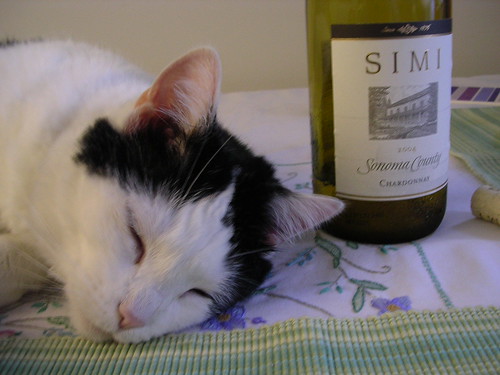
Kitty

However, if you know of any restaurants that allow cats, please let me know—my cat is a well-behaved lush with an affinity for Chardonnay. (Don’t worry folks. I’m just kidding; the little snob refuses to drink anything but CATeauneuf-du-Pape.)

Read More....

Plate Profile – The 707 Burger at Restaurant 707

Restaurant 707
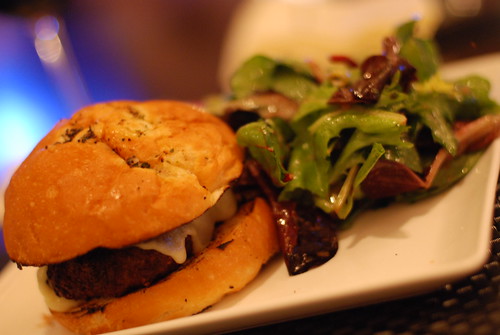
It takes a lot for a burger to impress me. I’ve eaten more than my fair share of them over the years, and many of Philly’s celebrated burgers haven’t really lived up to the hype. But the 707 Burger at 707 Restaurant & Bar ($10) is one of the more distinctive burgers to come around in quite some time.

The 707 Burger

A lot of places build burgers from the top down, trying to dazzle you with toppings and treating the burger itself merely as any other ingredient. 707, on the other hand, starts from the inside out, working a little onion powder, some finely-chopped shallots and a hint of hot sauce into its hulking 10 oz patty. When cooked, these delicate flavors combine to create a stylishly upscale version of the burger your mom used to make.

707 also knows how to cook it. Ordering a burger less than well-done can be risky, but most folks roll the dice in order to get a juicy patty. So when my well-done 707 Burger arrived teeming with juicy goodness, I was pleasantly surprised. And if you opt for a side salad instead of the fries, you may not feel too guilty once you realize you just ate the entire thing.

707 Restaurant & Bar
707 Chestnut Street
(215) 922-7770

Read More....

April 16, 2007

Osteria

Osteria

There’s something special about the food you enjoy in Italy, something different. It’s not that the restaurants are using an array of secret ingredients or employing arcane or complicated cooking techniques. It’s very much the opposite, in fact—generally the dishes have few ingredients and the preparation usually is quite simple. Yet, the meals in Italy consistently stand out among the best. It’s almost as though the ingredients themselves instinctively know what to do, or they’re charmed by the chef into combining with each other in ways that exceed the dish’s potential. As a result, the food is both humble and humbling.

It’s challenging to find an Italian restaurant here that can truly recreate that experience (though there are some that come close). But with the opening of Marc Vetri and Jeff Benjamin’s Osteria, the landscape has vastly improved.

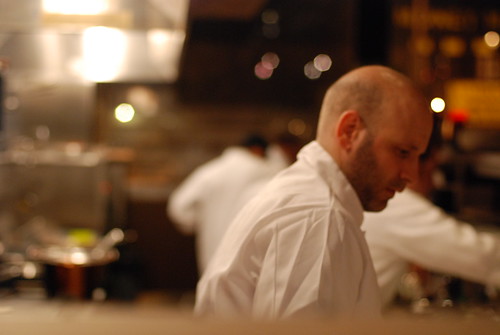
Chef Marc Vetri
In Italy, restaurants are identified either as a ristorante, trattoria or osteria. Today, the names don’t carry the hierarchal meanings they once did, but back in the day they acted as a classification system. If the restaurant was called a ristorante, for example, you could expect a formal dining experience—a wine list, white table cloths and, of course, a price tag to match. A trattoria was more casual, but it did serve full, hearty meals. And an osteria was the least formal of the three—it was more of a gathering place that served wine and maybe some basic food.

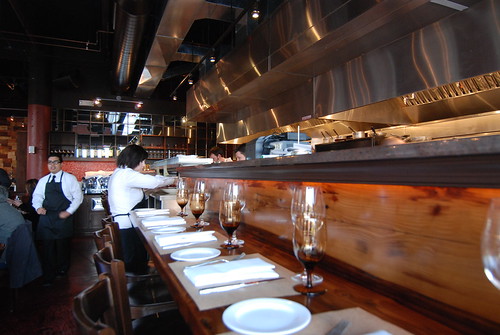
Osteria's Dinner Bar

At Vetri and Benjamin’s Osteria, the large wooden tables and the long dinner bar—perfect for those dining solo or couples hoping to sneak in without a reservation—help to capture the warm, rustic, communal spirit of the traditional osteria. Yet, like many of the osterias and trattorias in modern-day Italy, Osteria is more upscale than its name would suggest. And although the prices of some of the dishes here are closer to what you’d expect to pay at a traditional ristorante, the food is worth it.

Candele with Wild Boar Bolognese

Osteria's take on Northern Italian cuisine is authentic enough to make you nostalgic for the Old Country even if you’ve never been there. But at the same time, Osteria makes the dishes its own, all the while somehow managing to keep it all simple. For example, pappardelle with boar meat is a classic Umbrian staple. Osteria, however, takes this dish to the next level by substituting the pappardelle with long, tubular, home-made candele and by using just enough rosemary to highlight the flavor of the boar. As a result, the Candele with Wild Boar Bolognese is a reliable winner that has become one of Osteria's most popular dishes ($16.00—only around four dollars more than you’d pay in Italy for the pasta course, given current exchange rates). Sadly, this tasty bowl of heaven does not appear on the spring menu, which debuted last week. However, the Candele should return on the fall menu and hopefully will make guest appearances in the spring from time to time. In its place, though, are some worthy substitutes.

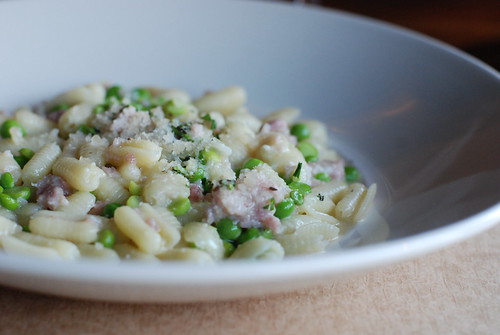
Gnocchi Sardi with Proscuitto and English Peas (half serving)

The newly-added Gnocchi Sardi with Proscuitto and English Peas ($16 for a full portion, half serving pictured) screams spring. Some of the pasta water is mixed with a little parmesan cheese to create a light sauce, while the peas taste so fresh and crisp you’d swear you were eating them right out of the pod.

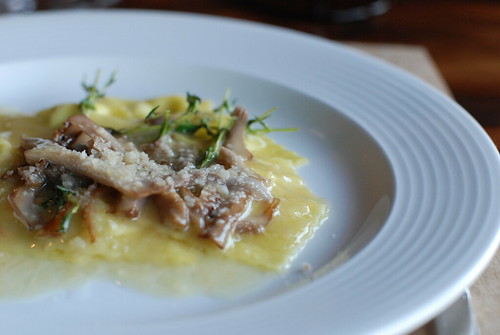
Robiola Francobolli with Bluefoot Mushrooms (half serving)

The spring menu also features the Robiola Francobolli with Bluefoot Mushrooms ($16 for a full portion, half serving pictured). The silky and transparent Francobolli are barely thick enough to last more than a few seconds in your mouth before they melt, releasing the rich and creamy goat’s milk cheese known as Robiola. Combined with the meaty Bluefoot, you’ll enjoy a dish that’s rich and satisfying, yet light and delicate enough for spring time.

Stuffed Baby Lamb “allo Spiedo” with Soft Polenta and Rosemary

The most compelling and decadent addition to the spring menu is the mouth-watering Stuffed Baby Lamb “allo Spiedo” with Soft Polenta and Rosemary ($30). The baby lamb is de-boned and filled with a stuffing made from the liver, kidneys and leg meat. It’s then all tied together, roasted on a spit with thyme and rosemary, sliced and served on a warm pillow of polenta. These stunningly fresh, rich flavors are transcendent, making this second course well worth the money.

Wine

In Italy, most osterias and trattorias offer a simple, inexpensive house wine by the carafe; it’s part of the culture. Osteria does not participate in this humble tradition. But you’ll barely miss it. Sommeliers Karina Lyons (formerly with Susanna Foo) and Brett Taylor enthusiastically guide customers through a well-crafted, all-Italian wine list that is both fun and amazingly affordable, offering wines by the bottle, glass and quartina (a mini-carafe, about two glasses). As I have said elsewhere, the one thing you give up at a BYOB in Philadelphia is the wine service—the skills of a seasoned professional who can make recommendations that will make both the wine and the meal taste better than they would alone. Osteria delivers an impressive wine service that is hard to match. I’ve watched Ms. Lyons gently and diplomatically steer customers away from unwise pairings and then suggest a more appropriate and less-expensive alternative—a rare combination of skills.

One of the more exciting reds on the list is the Tommaso Bussola “BG” Valpolicella Classico DOC 2004 ($10/glass). The nose carries a strong peaty fragrance of nutrient-rich earth, but the palate is surprisingly light and refreshing, with red berry flavors. And the wine’s virtually non-existent tannins and bright acids make it rather versatile with lighter fare.

Polenta Budino

It’s hard to go wrong with a dessert menu that features home-made gems such as gelati and chocolate flan. But the dessert here that should not be overlooked is the inventive yet unassuming Polenta Budino ($8), which is guaranteed to evoke your most carefree childhood memory. Osteria mixes sugar with the polenta instead of salt, giving it an almost cookie-dough-like flavor. A dollop of hazelnut mousse is added and topped with hazelnuts candied with peanut brittle. It’s like watching Saturday morning cartoons with your favorite bowl of cereal.

Osteria
640 North Broad Street
Philadelphia, PA 19130
(215) 763-0920

For more Osteria pics, go here.

Read More....
February 16, 2007

Restaurant Week Wrap-Up: A Smack-down, Of Sorts

Restaurant Week is not a normal Center City dining experience. Twice a year it turns the local restaurant scene into a carnival-like atmosphere. As I’ve noted before, not all restaurants do the same act during the two Restaurant Weeks that they do the other 50 weeks of the year. Yet, much like the provocative posters for the Bearded Lady or the Dog-Faced Boy, the lure of a three-course meal at a posh restaurant for a mere $30 is hard to resist. And, indeed, the seats fill up quickly as diners scramble early for reservations. But as with all carnivals, soon after you emerge from the tent you often find yourself deliberating whether the show lived up to the hype. Sometimes it does and sometimes it doesn’t.

Bistro Romano

Inspired by the likes of Barnum and his modern-day equivalents, I decided to take a different approach to Restaurant Week this time around. Instead of evaluating the restaurants in a vacuum, I though it would be fun to compare my experiences at two restaurants to see which one performed better under these carnival conditions—a sort of Restaurant Week smack-down, if you will.

Bruschetta - Creamy Dill; Basil and Tomato; and Artichoke, Onion, Garlic Minestrone

First up was Bistro Romano. One of the draws of this romantic, Italian eatery in Society Hill certainly has to be its dedication to filling your belly. For example, instead of serving the standard three courses during Restaurant Week, Bistro Romano served four—the first being three delicious and remarkably fresh Bruschetta. The hearty Minestrone, too, was large enough to be an entrée.

Veal Saltimbocca

Bistro Romano also emphasizes home-cooked style of preparation. Many restaurants in Center City masterfully execute a version of the home-style theme (e.g., Radicchio). However, Bistro Romano’s translation was not quite up to snuff. The Minestrone was uninteresting. The Veal Saltimbocca spent too much time in the broiler; the prosciutto appeared to have bonded with the veal on a molecular level, giving the dish a tough, jerky-like texture.

Tilapia and Shrimp in White Wine Sauce

Similarly, the white wine sauce accompanying the Tilapia with Shrimp tasted like it was thickened with flour or cornstarch, making it heavy and reminiscent of gravy (a simple reduction or beur blanc would have been welcomed). All of this may be nostalgic of how mom used to make it; however, a restaurant should deliver a little more refinement, even if it is taking a home-cooked approach.

Chocolate Torte with Raspberry Sauce White Chocolate Mousse

For dessert, we picked the Chocolate Torte with Raspberry Sauce and the White Chocolate Mousse. The torte was uncharacteristically sweet and the chocolate was less intense than the torte’s color and density would suggest. The mousse, though, was nicely balanced—not too rich or overly sweet.

Mandoline

The second restaurant was Mandoline, a contemporary cash-only BYO in Old City. It was refreshing to see that Mandoline’s Restaurant Week Menu appeared to be identical to their Winter Menu, which includes tempting starters such as Lobster Truffle Macaroni and Cheese and the Goat Cheese Pistachio Cake.

Venison Ragout with Papperdelle Pasta and Grana Padono

I opted to start with the Venison Ragout with Pappardelle Pasta and Grana Padano. The pappardelle was well-prepared and all of the all of its flavors were complementary. However, the ground venison was more subdued than expected. Although this makes the racy-sounding dish more accessible, it may be a little disappointing to those who are looking for the wild and gamey flavors often associated with venison. It may be a little too tame, in fact, to justify using something as exotic as venison.

Five-Spiced Smoked Duck Breast, Citrus Sweet Potato Mash and Sweet Soy

Mandoline’s Five-Spiced Smoked Duck Breast, Citrus Sweet Potato Mash and Sweet Soy packs an array of well-chosen flavors. The smoke and glaze used to prepare the medium-rare duck impart sweet notes of apples and molasses, and the citrus enlivens the wonderfully sweet and earthy mash. Some pieces of the duck, though, were tougher than they should have been and were difficult to carve with the standard butter knife they provided.

Chocolate Hazelnut Gelato Olive Oil Gelato

Mandoline does not prepare desserts of their own, but they do offer gelati from Capogiro. The Chocolate Hazelnut Gelato is a guaranteed winning flavor combination (one of my personal favorites), and the hard-to-resist Olive Oil Gelato delivers the delicate essence of this cooking staple while maintaining a rich, creamy and satisfying texture.

So, who won the smack-down? This dubious honor goes to Mandoline. Both restaurants had a few issues—Bistro Romano presented overcooked veal and seemingly starch-laden sauces; Mandoline’s duck was a little tough and its ragout, while well-prepared, was somewhat different than expected. But at the end of the day, the issues with Bistro Romano’s performance were more systemic and appeared to stem from their literal interpretation and execution of the home-cooked concept throughout. Plus, as I’ve emphasized before, flavor counts, and the flavors of Mandoline’s dishes were more impressive than Bistro Romano’s.

Thanks to those who posted their recent Restaurant Week experiences here in the comments section of my prior post. Do check them out. Also, thanks to the Center City District / Central Philadelphia Development Corp. for organizing Restaurant Week. The next installment will take place September 23-28, 2007.

Read More....
January 28, 2007

Snackbar

Snackbar
Like most people, I was a picky eater when I was a kid. Food certainly wasn’t something I looked to for adventure. But when I was in junior high something happened to change that.

I stopped by to visit my friend Frank, who was cooking something for dinner. I can’t remember what he was stirring in the pan, but it certainly didn’t look or smell anything like food—at least no food I had ever seen. So, of course, when he offered it to me, I colorfully said no. Frank then said something that flipped a switch in my head, forcing me to reexamine my assumptions about food and allowing me to start thinking about food in a different way:

“Why?” he asked. “It’s not a tattoo.”

A tattoo, back then at least, was a strong symbol of commitment and was pretty close to permanent. Frank was saying that no matter how much I didn’t like the taste of his experiment, it wasn’t going to be permanent. But he was also saying something else. Like tattoos, trying unfamiliar food can be a form of expression and rebellion. And without the permanence and commitment of a tattoo, there was no good reason to refuse.

That’s when it clicked—I grabbed a plate and joined Frank for dinner. After that, rebellion started to taste pretty damn good. That rebellion has since ripened into a sense of adventure, a way to challenge my tastes and perspectives, a way to learn.

Snackbar Fireplace

And that is part of why I find Snackbar to be such an exciting venue. Snackbar is the latest addition to Philadelphia’s small plates scene. Situated in Rittenhouse Square, its cozy digs feature comfy chairs, low tables and an elevated fireplace high enough for everyone to enjoy.

Snackbar takes a cerebral approach to the small plates format. Jonathan McDonald, Snackbar’s chef, practices a little of what some would call molecular gastronomy—a ten-dollar word that means McDonald understands the chemical and physical properties of food and exploits that knowledge by experimenting with inventive food combinations and cooking techniques. In other words, McDonald’s a bit of a culinary rebel.

Adrahan Cheese (cow, Ireland), Blackstick Blue (cow, England)

As a result, Snackbar’s offerings may challenge you. Some of its dishes are ponderous and could leave you deconstructing them for days. A few may even be a little intimidating, such as the Curried Banana (yes, it’s a dessert and, strangely, it works), the Sweet Curried Popcorn (an addictive snack you’ll often find at the bar) and the infamous Adrahan Cheese (it smells like it was aged in the bowels of a wet Egyptian mummy, but it’s delicious). But if you have an open mind and take the time to unpack the flavors and think about how they work together, it could be a wonderfully rewarding experience.

Chocolate Cake

One of the most approachable plates is the Chocolate Cake. Don’t let this unassuming dessert fool you, though; if you pay close attention, you’ll discover there’s a lot going on with this dish. Like many of Snackbar’s offerings, the chocolate cake is participatory and empowering in that you have the ability to construct different bites on your own from the various elements on the plate.

Chocolate Cake

The cake arrives cracked open, spilling a warm pool of chocolate pudding. The cake itself is a light yet intense chocolate and is even more satisfying with a taste of the rich pudding. Hidden inside the pudding is a small treasure—a whisper of licorice. It’s subtle, delicate and once you find it you’ll be digging for more. But there’s only enough for one bite, maybe two if you’re lucky. Another surprise is that the cake is topped with a few carefully placed grains of coarse salt, taking the dish in yet another direction. Again, these bites are fleeting. Finally, you’ll scoop into the bed of light cream that cradles ground malted coffee for a more robust and hearty perspective. All told, this meticulously mapped-out morsel is one of the most compelling chocolate desserts in the city.

Beef Gyoza

Other dishes that allow you to play with interesting flavor combinations are the Beef Gyoza and the Poached Foie Gras. The Beef Gyoza, for example, allows you to pair the briny cornichons or mustard seed on the dumplings with the mocha caramel sauce—both of which are stellar combinations.

Poached Foie Gras

The Foie Gras successfully plays with extremes—the rich, savory poached foie gras on one hand and the sweet buckwheat bun and quince paste on the other.

Beef Tongue

Coming soon to the new menu (it may already be there) is the Beef Tongue, the more intense cousin of the Beef Gyoza. Like the Gyoza, it employs mustard and cornichons, but this time they're artfully paired with coffee and high-quality, fatty beef tongue.

Brussel Sprouts

Snackbar also knows how to pay attention to the details. The Brussels Sprouts, for example, had just the right amount of truffle oil to enhance the earthiness of this much-maligned vegetable; too much of this potent delicacy would have overpowered the smokey, grilled flavor. Also, the sprouts are cut in half, allowing the flavors to permeate leaves—an intuitive and necessary, but time-consuming, step that is often overlooked with sprouts. The almond foam and the Marcona almonds enhanced the sprouts’ nutty flavor in this carefully constructed dish.

BBQ Chicken

When you're taking risks, you expect that some of the dishes will miss the mark. But with Snackbar, ironically, some of the safer dishes were the ones I found to be the least impressive. I know the Pork Belly has received a lot of accolades. But, quite frankly, it did not live up to the hype. The technique of slow-cooking the egg with the stock is rather conventional these days. And the pork belly itself had surprisingly little taste; the egg broth seemed to drown whatever flavor it may have had. The Vanilla Financier also had some issues. The cake was a little dry, and the layer of gel that topped the cake did not add much to the dish. Also, the Barbequed Chicken, while beautifully plated and very well-prepared, was not particularly flavorful.

Some of Snackbar’s dishes are pretty cutting edge. And for that reason, not everyone will walk away with the same impression. But for those of you who are up for a little adventure, Snackbar could be a whole lot of fun. For those of you who normally play it safe, just think of it this way: It’s not a tattoo.

Read More....
January 13, 2007

New Year’s Eve 2006, Part II - Tangerine

Tangerine
The year I turned 21 I had the worst New Year’s Eve of my life. Having come of age only a few days earlier, I was determined to spend New Year’s Eve in a bar somewhere—anywhere—engaging in what I knew would be a legendary degree of mayhem and debauchery. But that didn’t happen. Instead, I rang in the new year standing on a frozen pond in the bitter cold of someone’s back yard in central Pennsylvania, completely sober, watching a grown man and his eleven year-old son shoot pistols into the sky at the stroke of midnight. It was a sad moment. But as I stood there tasting the spent gunpowder carried by the crisp winter air, I realized something that I have taken great comfort in ever since—no matter what happens the rest of my days, I probably never would have a New Year’s Eve any worse than that.

At the opposite end of the spectrum, New Year’s Eve 2005 was one of the best New Year’s Eves I’ve ever had. We went to Tangerine with close friends of ours from D.C. I don’t remember many details about the meal. But I have been reminded (and am embarrassed to admit) that I was so captivated by the food that night that I was oblivious of the exotic belly dancers parading through the restaurant and undulating beside our table. That, too, was a sad moment, I suppose, but for different reasons.

Belly Dancer

I wanted to try Tangerine again this year, hoping for a repeat. The deal was similar to last year: passed hors d’oeuvres, a five course meal served family style, a Champagne toast and dessert buffet at midnight—and, of course, belly dancers—for $120 per person.

Lobster Velouté with Fennel and Tarragon Oil

Tangerine’s meal this year had a few conceptual and execution issues. For the most part, though, these issues were easy for me to overlook because the dishes were so flavorful. For example, the second course was a Lobster Velouté with Fennel Purée and Tarragon Oil. The lobster, while rich and buttery, had a noticeably chewy texture and was a little overcooked. But, overall, the dish was so rich and flavorful (particularly the fennel purée and tarragon oil, which complemented the buttery lobster nicely) I was willing to overlook the texture of the lobster.

Mediterranean Turbot with Crab Risotto and Olive Tomato Ragout

The third course—the Mediterranean Turbot with Crab Risotto, Olive Tomato Ragout—is another example. The Turbot, although well-prepared, did not seem to fit well with the rest of the dish. The rich risotto and the olive tomato ragout, however, were addictive together. The ragout, itself, was surprisingly rich. And, paired with the rich risotto, they were flavorful enough to carry the dish without the Turbot.

Moroccan Spiced Filet Mignon with Potato Mushroom Gratin and Horseradish Creamed Swiss Chard

Similarly, the Potato Mushroom Gratin that accompanied the fifth course—the Moraccan Spiced Filet Mignon and Horseradish Creamed Swiss Chard—was overwhelmingly salty. But the cinnamon and all spice that were used to season the filet made the dish taste like Christmas.

American Sturgeon Caviar, Blue Fin Tuna Tabouli, Golden Rasin Crisps

Some dishes, however, struggled more than others. The first course—the American Sturgeon Caviar atop molded tabouli that included blue fin tuna alongside golden raisin crisps—was ill-conceived. The sweet and toasty caviar was delicious solo. But the onion-heavy tabouli was way too overpowering to be paired with something as delicate as caviar.

Harissa Grilled Lamb with Rosemary Socca, Egplant Salad and Harissa Yogurt

Also, the fourth course—the Harissa Grilled Lamb with Rosemary Socca, Eggplant Salad and Harissa Yogurt—was a great idea, but did not quite hit the mark. The smokiness in the creamy eggplant salad was satisfying, and I enjoyed the use of the socca. But the lamb was very dry and stole a lot of the momentum from this dish.

Dessert Buffet

The dessert table, new this year, was a huge hit. The table held almost a dozen different ways to break the New Year’s resolution you made only a few moments ago. The one misstep that was inexcusable, though, was that the Champagne did not make it to our table until almost 12:20 a.m. I rang in the new year with a glass of 2003 Chateau Josephine de Boyd (Margaux), the second wine from the Second Growth Bordeaux Chateau Brane-Cantenac, which we enjoyed during dinner. Not a bad way to ring in the New Year. But for $120 a person, getting the Champagne out on time is the one part of the service you simply shouldn’t botch.

Balloons

There is nothing like ringing in the new year with a great meal. And, despite the few nits discussed above, Tangerine delivered.

Tangerine
232 Market Street
(215) 627-5116

Read More....
December 23, 2006

Bar Ferdinand

Bar Ferdinand

History has hosted some classic rivalries: Mozart and Salieri, Edison and Tesla, Coke and Pepsi. Bar Ferdinand and Amada may not be rivals per se (at least nothing beyond your typical marketplace competition). But you almost can’t talk about Bar Ferdinand without comparing it to Amada. Both are Spanish tapas bars, one of the hot trends in Philly’s restaurant scene. Amada, considered by many to be the yardstick by which other tapas bars are to be measured, was at the forefront of this trend. Bar Ferdinand opened shortly thereafter. So, comparisons are inevitable. And much like the classic rivalries noted above, there are strong opinions on both sides of the aisle.

Bar Ferdinand Dining Room

Despite all of the similarities between them, Bar Ferdinand and Amada are really two different scenes. Amada, with its sleek décor and high-profile Old City zip code, used the humble Spanish tradition of tapas to create a chic, upscale destination spot. Bar Ferdinand, a womb-like space situated in grittier Northern Liberties, delivers its unpretentious tapas with the same vibrant, frontier energy that drives the up-and-coming neighborhood in which it sits. It is possible to appreciate both restaurants for different reasons. But the more I visit Bar Ferdinand, the more drawn I am to its scene, its energy and its food. It is becoming my Spanish tapas bar of choice. Here’s why:

First, some of Bar Ferdinand’s offerings are more imaginative and exciting. Because tapas are small and are meant for sharing, you don’t order with same level of commitment you normally have when selecting an entrée. Instead, you’re naturally willing to explore more adventurous and experimental combinations, and chefs will often rise to the task. Bar Ferdinand gets this and, at the same time, it manages to keep its offerings accessible.

Manchego Frito

One dish that illustrates this is the Manchego Frito ($5.00). This dish inventively marries four core elements in the same bite—hot, cold, sweet and savory. First, the back of your tongue finds sweet walnut membrillo puree and the warmth of the fried Manchego cheese, while the front of your mouth feels the cool sweetness of the well-textured frozen apple foam. Next, bite down and the warm, savory cheese fills your mouth. And after its gone, the flavor of cool, sweet apple still lingers on your lips. It's an impressive morsel. The puree, however, may add a little too much sweetness, putting the dish slightly out of balance with its savory core. But overall the Manchego Frito is a compelling and addictively satisfying offering.

Datiles Con Tocino

Another example of this is the Datiles Con Tocino—dates, bacon, cream cheese baked in puff pastry ($3.00). This dish combines sweet and savory elements in a well balanced bite. The outside is as sweet as a holiday. The bacon and cheese inside completes the experience, adding a rich, savory element that balances the dish nicely and always leaves me craving another.

Albondigas

Other dishes stand out as well. For example, the Albondigas—meatballs made of ground lamb, pork and beef in toasted Marcona almond and sherry sauce ($5.00)—display some nice layering. The dish starts off sweet, then the smokiness of the roasted almonds comes in on the finish. And the use of three different meats creates an interesting and tasty flavor.

Pato Confitado Con Sangria de Naranja

There is room for improvement at Bar Ferdinand. For example, the Pato Confitado Con Sangria de Naranja ($7.00) is out of balance. The dish is shooting for a balance between the rich, savory duck confit and the bitterness of the orange toast. And it works—as long as the toast lasts. But there’s not enough toast to pair with the mound of rich duck, which can quickly become overwhelming.

Sangria

And, of course, there’s the sangria ($4.00 per glass/$15 per pitcher). On my first visit to Bar Ferdinand, the sangria was disappointing—it was tart, thin and nowhere near potent enough. Since then, however, the sangria has vastly improved—it has been sweeter and more potent without losing its light, refreshing and natural character. Our server acknowledged that they had been fine-tuning the recipe, and it appears that they’ve found one that works.

The second reason Bar Ferdinand is becoming a comfortable haunt, of sorts, is price. Bar Ferdinand’s tapas are inexpensive, and that's the way it should be. Most tapas here are in the $3.00 to $6.00 range, giving you greater latitude to explore more of the menu. And if you try a dish you don’t like, no worries. It is only a few dollars, someone else at your table likely will enjoy it, and the menu has so many choices you’re sure to find something else that fits the bill.

Bar Ferdinand - Bar

Also worthy of note is Bar Ferdinand’s user-friendly wine list. Don’t know much about Spanish wine? Not a problem. For many of its wines, Bar Ferdinand identifies the American or French varietal that tastes similar to the wine you're eyeing. If you enjoy Bordeaux, for example, Bar Ferdinand will steer you toward the 2001 Raimat Cabernet Sauvignon – Costers del Segre, which has a deep flavors of dark fruit with notes of cedar and a long finish.

Bull

Bar Ferdinand is faithful to the tapas spirit, offering energetic, imaginative and accessible tapas at reasonable prices. And giving us another reason to visit Northern Liberties. So does this quell opinions as to which Spanish tapas bar is better, or stir them? That question, in many ways, misses the point. Coke and Pepsi co-exist on the same shelf. So can Amada and Bar Ferdinand.

Bar Ferdinand
1030 N.2nd Street
(215) 923-1313

Read More....
November 20, 2006

The Oceanaire Seafood Room

The Oceanaire Seafood Room

The Oceanaire Seafood Room is a rapidly growing, high-end seafood chain that just docked in the Washington Square section of Philadelphia. Oceanaire is a unique dining experience, a tribute to a bygone era. The atmosphere is that of a tasteful 1930s supper club aboard a luxury ocean liner—